Understand the regulations and requirements for light duty crane safety training for operators
Do you have to use specific 3rd party crane safety training or can you do an in-house training program?
Crane safety training SHOULD be an essential part of any companies overall safety and efficiency program, in any construction or industrial, or oilfield environment.
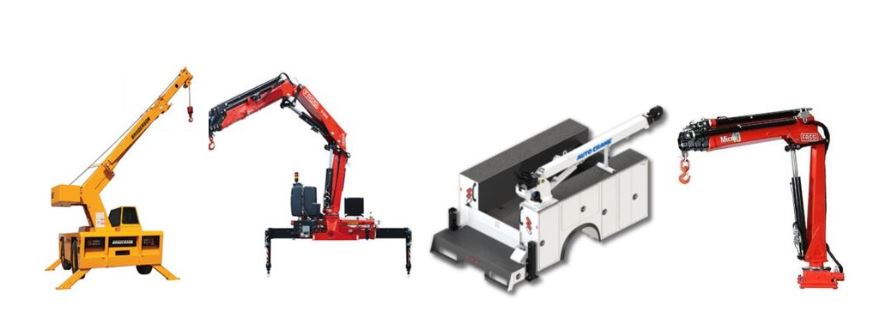
Light duty cranes, known by many names like: mini crawler cranes, boom truck, pickers, service cranes, carry deck cranes, etc. are generally smaller and more versatile machines that are often used in tight spaces or for general maintenance, hotshot, plant turnarounds or more specific tasks and we find most operators don’t have any light crane safety training at all. We’re told they are easy to run, easy to figure out and the words we don’t like hearing…”I’ve run all types of equipment and never had formal training…”
However, just because they are smaller in capacity doesn’t mean they are any less dangerous than their larger crane cousins. In fact, the compact size and maneuverability of light duty cranes can make them even more hazardous if not operated properly.
Light duty crane training is a crucial step because it teaches operators how to safely and efficiently use these machines. This include things like learning how to properly inspect the crane before use WITH the right checklist that is specific to those cranes, in fact provincial OHS documents do state that specific training, specific machines and specific checklists…Fun fact…did you know there are 7 different pre-use checklist?
Also how to properly set up and secure the crane, and how to safely move and manipulate loads. It also covers important safety measures such as emergency procedures, safety systems of the crane, proper communication techniques, and most of all…understanding load charts.
There is also the ‘shadowing’, mentoring and mirror programs many companies have in place, what can be wrong with this? For the most part nothing..except that the person providing the mentoring might also be providing the new operator with al their habits, good AND bad!
Without proper light duty crane training, operators may not be aware of the full capabilities and limitations of their equipment, which can lead to accidents and injuries. Proper training also helps to increase productivity and efficiency on the job site, as well as reduce damage to equipment and materials.
In addition, provinces and municipalities have regulations in place now that require operators to have a certain level of crane training (theory and practical operating time), before operating a light duty crane. This is to make sure that operators have the knowledge and skills necessary to safely and effectively use the equipment.
Summary – light duty crane safety training is an essential aspect of ensuring safety and efficiency in any environment.
It teaches operators how to safely and efficiently use these cranes, and it is a requirement in many provinces and municipalities. Investing in light duty crane training is an investment in the safety and well-being of workers, lowering operating costs of the equipment and most of all, you never have to sit across from an employees family and say; “We could have done better but we didn’t.”
Contact us for pricing, availability or to find out more about our crane training programs HERE
Spyder Mini Crawler Crane Safety Training
Spyder Mini Crawler Crane Operator Safety Training
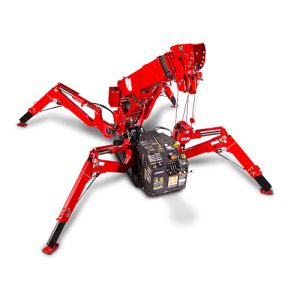
Here in Canada, the mini-crawler crane is somewhat of an oddity as it doesn’t fit in many classes due to the size and weight limitation, however CSA Z150.3 does apply Federally as well as many provinces having the crane show up in their OHS standards classified as power mobile equipment. Always check with your provincial OHS officers to clarify as it can be very different province to province.
The Spyder mini crawler type cranes are incredibly versatile, powerful little cranes that are most commonly found one construction sites, industrial plants during turn-around, and mining operations. Just like any machinery, they can be incredibly dangerous when operated improperly. That’s why it’s essential that all operators of Spyder mini crawler cranes receive proper safety training.
The first step in ensuring safety when operating a Spyder, or any brand of mini crawler crane is to become familiar with the machine’s capabilities and limitations BEFORE you get to the field. This includes understanding the crane’s multiple load charts (based on position of the outriggers), and knowing the maximum weight that the crane can safely lift and move on site.
It’s also important to understand the crane’s working radius, as well as the height and reach limitations, how to use the searcher hook, tilt alarm features and how the remote works in comparison to the manual controls on the crane.
Another important aspect of Spyder mini crawler crane safety is proper rigging and signaling. Operators should be trained on the correct procedures for attaching and detaching loads, as well as the proper signaling techniques to use when communicating with other workers on the job site. Here in Alberta we provide on site mini crawler crane training for small groups from 4 up to 9 in a single day, focusing on: remote knowledge, outrigger load-charts, jib use, searcher hook use, travel with the crane, crane set up and much more.
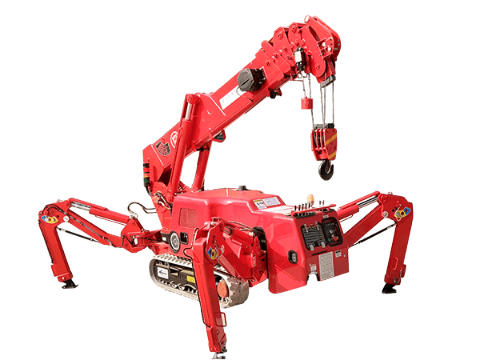
Proper pre-use inspection is also crucial for Spyder mini crawler crane safety. Operators should be trained on how to conduct a thorough inspection of the crane before each use, looking for any signs of wear or damage that could affect its performance. This includes checking the crane’s cables, ropes, and rigging hardware, as well as the machine’s tracks, idler wheels, remote control test, and many other moving parts.
In addition to the above, operators should also be trained on the emergency procedures, such as power failure, fire, and evacuation procedures. It is always good to have a plan in case of emergency.
In summary, Spyder type mini crawler crane safety training IS essential for preventing accidents and ensuring the safe operation of these powerful little cranes. By familiarizing themselves with the crane’s capabilities and limitations, understanding proper rigging and signaling techniques, and conducting regular pre-use inspections, operators can help to ensure a safe working environment for themselves and their colleagues.
Get ahold of us today to find out about the Spyder Crane Training in Alberta, Saskatchewan or any western Canadian province.
For more training information and pricing, send us and email HERE.
Light Duty Knuckle Boom Crane Training in Canada: What You Need to Know
Knuckle boom cranes, also known as articulated cranes or ‘picker trucks’, are a very versatile crane that are most commonly used in construction, oil and gas, industrial, and marine settings.
In Canada, it is important for operators of these cranes to be properly trained in order to ensure the safety of themselves, their coworkers, and the public at large.
The Canadian Centre for Occupational Health and Safety (CCOHS) states that operators of cranes and other heavy equipment must be trained and certified in accordance with the regulations set out by the province or territory in which they are working. In most cases, this includes completing a training program that covers topics such as crane components and operation, load handling, and emergency procedures.
Light duty knuckle boom cranes, in particular, are smaller versions of these larger cranes that are typically used in tight spaces or for lighter loads. You will find the smaller cranes installed on lighter truck chassis that offer basic driver’s license requirements. Due to their smaller size and different capabilities, operators of light duty knuckle boom cranes may require specialized light duty crane training programs.
To find training programs for light duty knuckle boom crane operators in Canada, it is recommended to start by checking with the relevant regulatory body in your province or territory. Many organizations such as the Construction Safety Association of Ontario, the British Columbia Institute of Technology as well as we also offer certification and training for light crane operation.
It’s also important for operators to stay up to date with any changes to regulations and industry best practices. This can be done by regularly participating in continuing education and refresher training programs. The reason that certification lasts 3 years vs taking a red-seal apprenticeship program is just that, information. OHS has stated that course requirements, training, standards, etc. all can possibly change so to stay ahead of that, fill in our newsletter pop up form and we’ll do our best to take the confusion out of the programs.
In summary, light duty knuckle boom crane training in Canada is an important step in ensuring the safe operation of these machines. By completing a certified training program and staying up to date with industry best practices, operators can protect themselves and those around them while effectively using these versatile tools.
Send us an email regarding your need for certification HERE, we respond quickly to all requests.
One Ton Picker Truck Crane Ticket
Are you looking to get your operators safety training tickets for your next job?

We can help you out by providing our one-day knuckle picker safety training program at your location.
We only provide training for groups of 4 or more and our low travel fees keep our one ton picker truck crane ticket within your training budget. It’s far better for us to come out to you than to send in your crew to us.
Some of what we cover during the one day crane safety training:
- How to make sure the crane is always properly stabilized in ALL situations
- How to make sure the stabilizer outrigger pads are properly sized for the ground conditions
- How to read the load chart of a crane easily and where to put the crane-truck so you don’t have to move it
- What boom configuration selection is and how to make sure you have it right
- What happens if you don’t follow the proper procedures
- Proper control of the crane at all times
- Hand signals (basic)
- Working on a slope, what is the crane rated to?
- What is the maximum capacity of the crane
- How to look for potential problems before they happen
- Load holding safety systems
- Hose failure safety systems
- And more
To find out about our program, email me us HERE and we will respond as soon as we are able to.
Remember, the one ton picker truck ticket is good for 3 years and up to 8-tons in crane capacity, per OHS in each province and your operator will receive a wallet card as well as certificate for their files and you will receive the documents in PDF in the event they get misplaced.
New for 2023 – Lower Light Crane Training Rates Are Now In Effect
We made a decision to lower our training rates for 2023 for one reason…
 The energy industry has been clawed back for years, now it’s ‘booming’ out there. We keep hearing and many business owners are saying the same thing: “…Our training budget has been chopped, changed or reduced!” We are here to help!

The energy industry in Alberta and Saskatchewan is now crazy busy right now. We are hearing: “Yes it’s busy but we can’t find people, we can’t find people to use the equipment so we are having to change things up and train other employees that haven’t used cranes in the past”. This is a big challenge for everyone and will remain so for the foreseeable future.
So why are we lowering our light duty crane training rates?
Simple, not to worry, our format for picker training has changed only a little bit, but we are traveling further and training fewer people on customer sites from previous times. Budgets for large-scale training have diminished which is an economic outcome of the politics of the world today.
We now charge a travel fee from our office in Edmonton, so it’s a per km fee only + accommodations if necessary and we now have a minimum charge rate even if there are only 2-3 operators (we do not provide individual training classes).
This is not a decision we took lightly, given the current upwardly mobile price of fuel, food, even accommodation fees are on the rise. As a business we can’t afford to absorb these on a continuing basis.
You as the customer won’t be loosing anything at all, in fact you will gain the experience, certification, document control you need all within a tighter budget you have to work with!
It’s a win-win and we all agree, our ‘stuff’ is always worth more to be sure and in some cases where it’s ‘specialized’ as we do also have, our price model hasn’t changed. Our heart of the line knuckle boom and mechanic service crane training price is what has changed.
Please feel free to contact us for more details, quote for training service, or to find out what we train on HERE.
We look forward to training your operators on all light cranes in Western Canada in the coming year.