Crane Stability – Why it’s Often Misunderstood by Inexperience

Crane Stability is a critical aspect of safe lifting operations and inexperienced operators on light duty cranes (cranes that don’t require a trade operator at the controls), often misjudge the weight and factors at play on the smaller picker trucks.  It’s generally misunderstood by inexperience in operators.

Ensuring the stability of a crane during a lift helps prevent accidents and protects workers, equipment, and materials.

Here are a few key reasons why proper crane stability is so important:

Stabilizers are often referred to as outriggers and while I won’t split hairs at all, most don’t really understand the diffrernce between stabilizers and outriggers, let me quickly define them:

Stabilizers – are typically installed on smaller cranes, knuckle booms, service cranes, etc, where the full weight of the truck is held but NOT releasing or lifting the chassis up or off the ground.  The smaller cranes don’t have the cross section build of the larger cranes that WILL take the entire weight of the unit and lift the chassis (Carrier) up off the ground.  Smaller cranes that are installed on the trucks may only have 2 or 4 stabilizer legs to help…well stabilize the chassis.

Outriggers – are typically much larger cross section, are attached to much larger outrigger beams (the part that comes out from the base of the crane), can take much higher forces.  These cranes also have an LMI/RCI in the cab that you can program the position of the outriggers and based on that information, will either give the crane full lifting capacity or reduce the lifting capacity based on how much stability the crane has.

Maintains Proper Load Balance: Proper crane stability helps keep the load balanced, reducing the risk of equipment tipping over or dropping the load.

Prevents Structural Damage: An unstable crane can cause structural damage to itself and surrounding buildings, which can be costly to repair.

Increases Efficiency: A stable crane is able to lift and move heavier loads, increasing efficiency and reducing the time required to complete the job.

Enhances Safety: The stability of a crane helps prevent accidents, ensuring that workers are protected from harm and that equipment is not damaged.

Compression Force: The weight of the load being lifted is directly applied to the stabilizer leg, which creates a compression force on the leg. This force must be taken into account when determining the size and strength of the stabilizer leg required for the lift.

Tension Force: The crane’s outriggers are designed to provide support and counteract the weight of the load being lifted. When the load is directly over a stabilizer leg, the outrigger provides additional tension force to the leg to ensure stability.

Bending Moment: The combination of compression and tension forces applied to the stabilizer leg creates a bending moment, which can cause the leg to bend or buckle under the stress of the load.

Stabilizer legs are an essential component of cranes, providing stability and support during lifting operations. When the load being moved is directly over one of the stabilizer legs, the forces applied to that leg can be significant and can have a major impact on the safety and success of the lift.

It is important to properly calculate the forces applied to the stabilizer legs to ensure that the crane is able to handle the load being lifted. Factors such as the weight of the load, the height of the lift, and the crane’s capacity must all be taken into account to determine the required size and strength of the stabilizer legs.

We spend a lot of time talking about proper stability, proper use of the stabilizer legs as they are an essential foundation of cranes and play a critical role in ensuring stability and safety during lifting operations. When the load being moved is directly over a stabilizer leg, the forces applied to the leg can be significant, and proper calculations must be made to ensure the safety and success of the lift.

To ensure proper crane stability during a lift, it’s not only important to follow manufacturer guidelines and industry standards, it’s even MORE important to make sure all your operators understand that by NOT using the stabilizers properly on the crane, that it’s a violation of your SOP, lift standards and most of all…their agreement with their family to come home every night.

While we go into the reasons, we simply can’t provide the operator with all of the load calculations, outrigger forces at play and such, it IS up to you, the owner of the business, the employee who operates the crane and really…anyone who is involved with lifting to be a clear as possible, DO NOT MESS WITH the position of the stabilizers unless the math has been completed and signed off on.

Contact me for more details and for training HERE
Understand the regulations and requirements for light duty crane safety training for operators

Do you have to use specific 3rd party crane safety training or can you do an in-house training program?

Crane safety training SHOULD be an essential part of any companies overall safety and efficiency program, in any construction or industrial, or oilfield environment.

light duty crane training - types of cranes

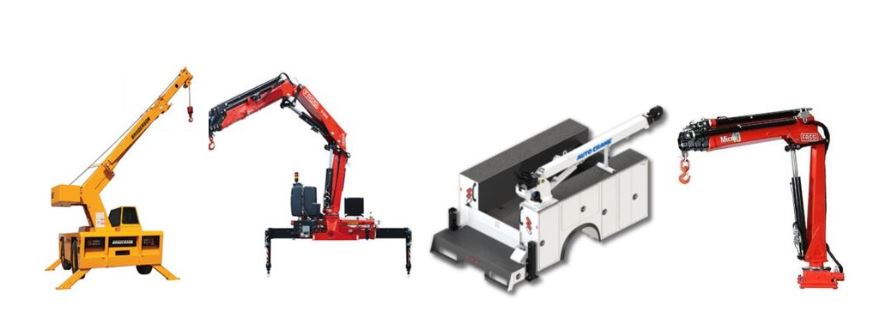
Light duty cranes, known by many names like: mini crawler cranes, boom truck, pickers, service cranes, carry deck cranes, etc. are generally smaller and more versatile machines that are often used in tight spaces or for general maintenance, hotshot, plant turnarounds or more specific tasks and we find most operators don’t have any light crane safety training at all.  We’re told they are easy to run, easy to figure out and the words we don’t like hearing…”I’ve run all types of equipment and never had formal training…”

However, just because they are smaller in capacity doesn’t mean they are any less dangerous than their larger crane cousins. In fact, the compact size and maneuverability of light duty cranes can make them even more hazardous if not operated properly.

Light duty crane training is a crucial step because it teaches operators how to safely and efficiently use these machines. This include things like learning how to properly inspect the crane before use WITH the right checklist that is specific to those cranes, in fact provincial OHS documents do state that specific training, specific machines and specific checklists…Fun fact…did you know there are 7 different pre-use checklist?

Also how to properly set up and secure the crane, and how to safely move and manipulate loads. It also covers important safety measures such as emergency procedures, safety systems of the crane, proper communication techniques, and most of all…understanding load charts.

There is also the ‘shadowing’, mentoring and mirror programs many companies have in place, what can be wrong with this?  For the most part nothing..except that the person providing the mentoring might also be providing the new operator with al their habits, good AND bad!

Without proper light duty crane training, operators may not be aware of the full capabilities and limitations of their equipment, which can lead to accidents and injuries. Proper training also helps to increase productivity and efficiency on the job site, as well as reduce damage to equipment and materials.

In addition, provinces and municipalities have regulations in place now that require operators to have a certain level of crane training (theory and practical operating time), before operating a light duty crane. This is to make sure that operators have the knowledge and skills necessary to safely and effectively use the equipment.

Summary – light duty crane safety training is an essential aspect of ensuring safety and efficiency in any environment.
It teaches operators how to safely and efficiently use these cranes, and it is a requirement in many provinces and municipalities. Investing in light duty crane training is an investment in the safety and well-being of workers, lowering operating costs of the equipment and most of all, you never have to sit across from an employees family and say; “We could have done better but we didn’t.”

Contact us for pricing, availability or to find out more about our crane training programs HERE

Spyder Mini Crawler Crane Safety Training

Spyder Mini Crawler Crane Operator Safety Training

Here in Canada, the mini-crawler crane is somewhat of an oddity as it doesn’t fit in many classes due to the size and weight limitation, however CSA Z150.3 does apply Federally as well as many provinces having the crane show up in their OHS standards classified as power mobile equipment.  Always check with your provincial OHS officers to clarify as it can be very different province to province.

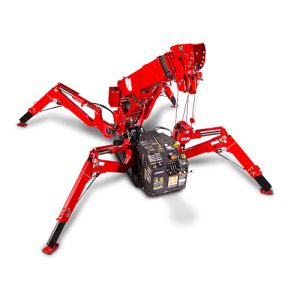
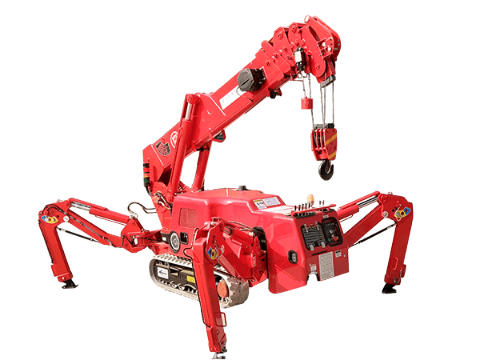
The Spyder mini crawler type cranes are incredibly versatile, powerful little cranes that are most commonly found one construction sites, industrial plants during turn-around, and mining operations. Just like any machinery, they can be incredibly dangerous when operated improperly. That’s why it’s essential that all operators of Spyder mini crawler cranes receive proper safety training.

The first step in ensuring safety when operating a Spyder, or any brand of mini crawler crane is to become familiar with the machine’s capabilities and limitations BEFORE you get to the field. This includes understanding the crane’s multiple load charts (based on position of the outriggers), and knowing the maximum weight that the crane can safely lift and move on site.

Get started Today

It’s also important to understand the crane’s working radius, as well as the height and reach limitations, how to use the searcher hook, tilt alarm features and how the remote works in comparison to the manual controls on the crane.

Another important aspect of Spyder mini crawler crane safety is proper rigging and signaling. Operators should be trained on the correct procedures for attaching and detaching loads, as well as the proper signaling techniques to use when communicating with other workers on the job site.  Here in Alberta we provide on site mini crawler crane training for small groups from 4 up to 9 in a single day, focusing on: remote knowledge, outrigger load-charts, jib use, searcher hook use, travel with the crane, crane set up and much more.

Proper pre-use inspection is also crucial for Spyder mini crawler crane safety. Operators should be trained on how to conduct a thorough inspection of the crane before each use, looking for any signs of wear or damage that could affect its performance. This includes checking the crane’s cables, ropes, and rigging hardware, as well as the machine’s tracks, idler wheels, remote control test, and many other moving parts.

In addition to the above, operators should also be trained on the emergency procedures, such as power failure, fire, and evacuation procedures. It is always good to have a plan in case of emergency.

In summary, Spyder type mini crawler crane safety training IS essential for preventing accidents and ensuring the safe operation of these powerful little cranes. By familiarizing themselves with the crane’s capabilities and limitations, understanding proper rigging and signaling techniques, and conducting regular pre-use inspections, operators can help to ensure a safe working environment for themselves and their colleagues.

Get ahold of us today to find out about the Spyder Crane Training in Alberta, Saskatchewan or any western Canadian province.

For more training information and pricing, send us and email HERE.

Light Duty Knuckle Boom Crane Training in Canada: What You Need to Know

Knuckle boom cranes, also known as articulated cranes or ‘picker trucks’, are a very versatile crane that are most commonly used in construction, oil and gas, industrial, and marine settings.

In Canada, it is important for operators of these cranes to be properly trained in order to ensure the safety of themselves, their coworkers, and the public at large.

The Canadian Centre for Occupational Health and Safety (CCOHS) states that operators of cranes and other heavy equipment must be trained and certified in accordance with the regulations set out by the province or territory in which they are working. In most cases, this includes completing a training program that covers topics such as crane components and operation, load handling, and emergency procedures.

Light duty knuckle boom cranes, in particular, are smaller versions of these larger cranes that are typically used in tight spaces or for lighter loads. You will find the smaller cranes installed on lighter truck chassis that offer basic driver’s license requirements.  Due to their smaller size and different capabilities, operators of light duty knuckle boom cranes may require specialized light duty crane training programs.

To find training programs for light duty knuckle boom crane operators in Canada, it is recommended to start by checking with the relevant regulatory body in your province or territory. Many organizations such as the Construction Safety Association of Ontario, the British Columbia Institute of Technology as well as we also offer certification and training for light crane operation.

It’s also important for operators to stay up to date with any changes to regulations and industry best practices. This can be done by regularly participating in continuing education and refresher training programs.  The reason that certification lasts 3 years vs taking a red-seal apprenticeship program is just that, information.  OHS has stated that course requirements, training, standards, etc. all can possibly change so to stay ahead of that, fill in our newsletter pop up form and we’ll do our best to take the confusion out of the programs.

In summary, light duty knuckle boom crane training in Canada is an important step in ensuring the safe operation of these machines. By completing a certified training program and staying up to date with industry best practices, operators can protect themselves and those around them while effectively using these versatile tools.

Send us an email regarding your need for certification HERE, we respond quickly to all requests.

One Ton Picker Truck Crane Ticket

Are you looking to get your operators safety training tickets for your next job?

Effer Picker Training

We can help you out by providing our one-day knuckle picker safety training program at your location.

We only provide training for groups of 4 or more and our low travel fees keep our one ton picker truck crane ticket within your training budget.  It’s far better for us to come out to you than to send in your crew to us.


Some of what we cover during the one day crane safety training:

  • How to make sure the crane is always properly stabilized in ALL situations
  • How to make sure the stabilizer outrigger pads are properly sized for the ground conditions
  • How to read the load chart of a crane easily and where to put the crane-truck so you don’t have to move it
  • What boom configuration selection is and how to make sure you have it right
  • What happens if you don’t follow the proper procedures
  • Proper control of the crane at all times
  • Hand signals (basic)
  • Working on a slope, what is the crane rated to?
  • What is the maximum capacity of the crane
  • How to look for potential problems before they happen
  • Load holding safety systems
  • Hose failure safety systems
  • And more

To find out about our program, email me us HERE and we will respond as soon as we are able to.

Remember, the one ton picker truck ticket is good for 3 years and up to 8-tons in crane capacity, per OHS in each province and your operator will receive a wallet card as well as certificate for their files and you will receive the documents in PDF in the event they get misplaced.