Outrigger Pads – Why Use Them?

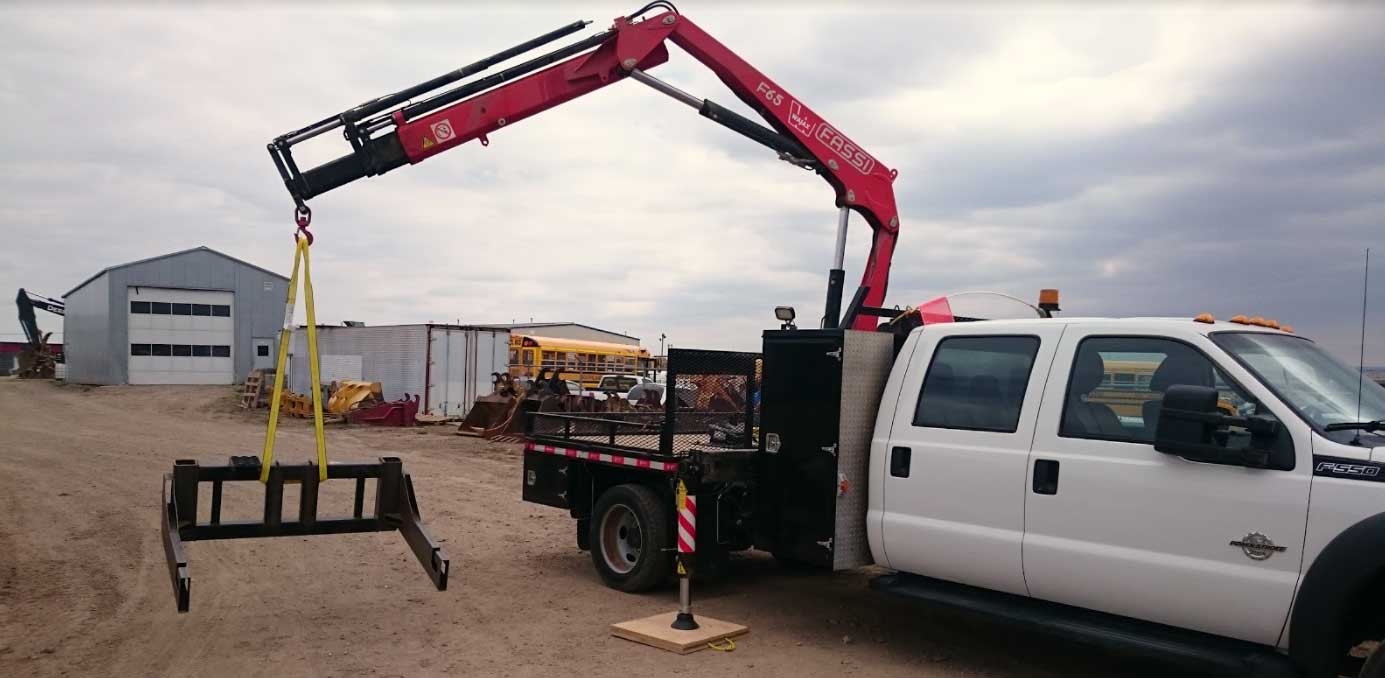
Ok, so the headline is a bit off-putting to anyone who operates a crane.  But during our time showing companies how to better use their knuckle boom HIAB crane, we have seen many “interesting” outrigger pads that we will not allow to be used during our training. In Alberta, this is what OH&S says: “Despite section 88, an employer must ensure that a mobile crane equipped with outriggers is set up with the outriggers on load-bearing floats or pads that are of adequate size, strength and rigidity.” What we see: 2×4 lumber with long bolts holding it all together – WRONG (bolts will bend and 2×4’s will deteriorate quickly) 18″ x 18″ x 1″ plastic pads that are now “cupped”

Another Worker Killed By High Voltage Powerline Contact

Saddened, Upset, Dismay, Confusion – this is something I can comprehend, but why should the family of this person have to whenever they think of how this could have happened when there are systems in place to prevent this? Worker Dies In Contact With Powerline Everytime I hear this news I often think, “what if I had been able to contact this company BEFORE this accident happened?”  But I also know, many companies do not believe that their employees are in any real danger during the day to day operations, and yet when this happens I shake my head and say it could have been prevented, but the cost of the device was just too high for their purchasing department.

Crane Damage – Hitting Overpass

Although it’s a European chassis, it still goes to show that even with a good installation, the truck won’t stand up against a low bridge and another reason to know your travel height.  The crane boom was up in the air (inner boom) and the outer boom was stowed on the deck, and luck for the operator, this was the worst of it.

Crane Outrigger Pads – Do You Need Them?

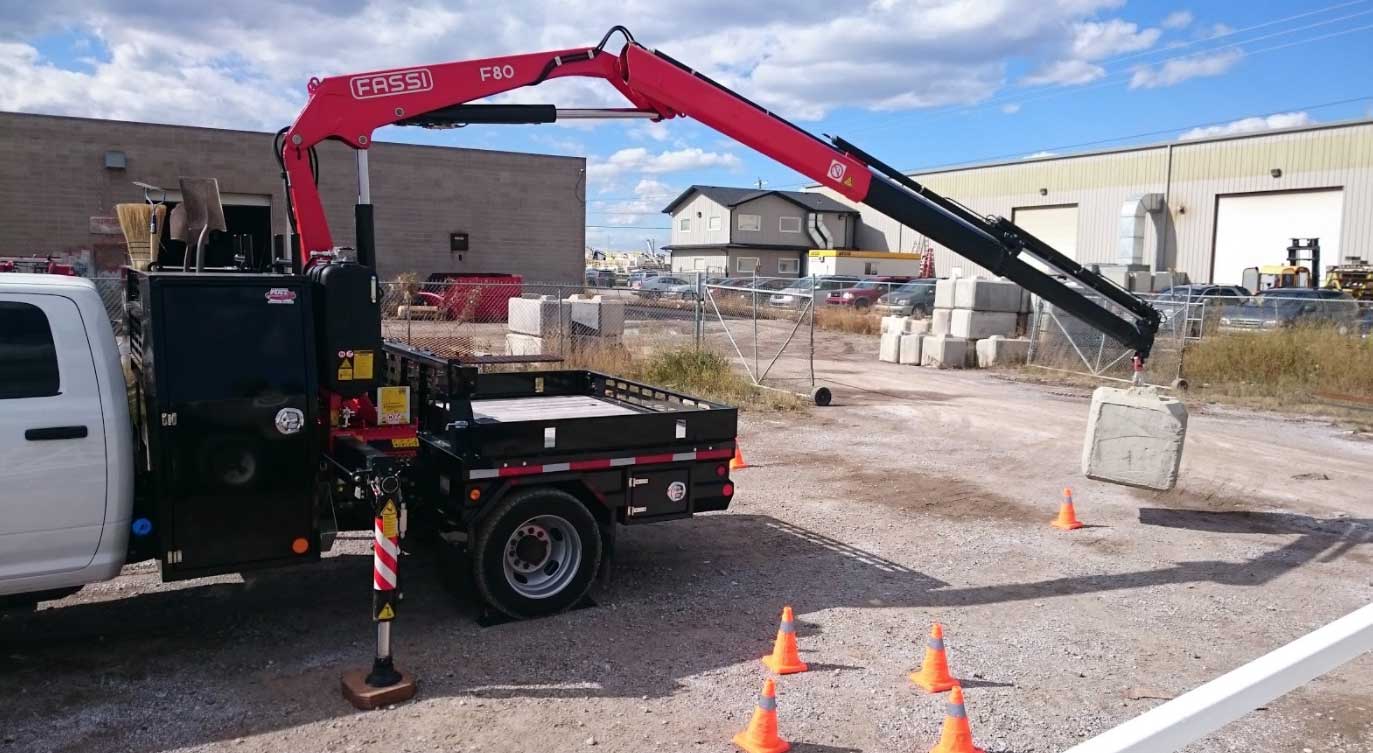
 And so it goes, another crane “incident” that could have been prevented.  This crane was unloading not only too close to the embankment, but did not use outrigger pads.  Too much pressure on the crane outrigger leg “shoe” ended up punching a hole through the pavement and the ground beneath it was far too soft to continue to support the crane, extended boom and weight at the end of the boom, resulting in substantial damage to crane truck and surrounding area.  TOTALLY PREVENTABLE.  We provide a full range of outrigger pads to choose from.  Why wood outrigger pads?  Here is why: Far less expensive and renewable (yes good for the environment) 18″ x 18″ is the smallest we recommend (yes

Electricity and Cranes – Guess Who Wins?

This is an older post, but needless to say, the same thing continues to happen needlessly.  The system asks “why” or “how” but as usual, until someone dies, no one wants to talk about “how do we prevent this?” A 7.5 Kv powerline (service line) was contacted, it was a tight lift to begin with regardless but it may be an alternative piece of equipment may have been selected instead of this crane.  The Effer crane had a jib on it, and looking at how it had to navigate those lines, as an operator, my choice (yes it’s also easy to say afterwards), that I would not have made this lift, but again, those choices are often ignored for the

Where’s The Line – Does This Really Work?

We’ve been HUGE advocates of line safety, we are a dealer for the SigAlarm High Voltage proximity alert systems not simply because we wanted a product line, but simply because more people need to stay away from over head power lines.  I know that is the obvious statement, however it’s not that obvious. We see the messages, the advertisements of “where’s the line”, the meaning is good, the delivery…not so much so it seems. One recent training we did, one of the students brought up a very valid point, “we are bombarded with safety stuff all day, we become desensitised to the posters”  even tho they have a very strong safety culture. Far too many people’s lives are forever altered